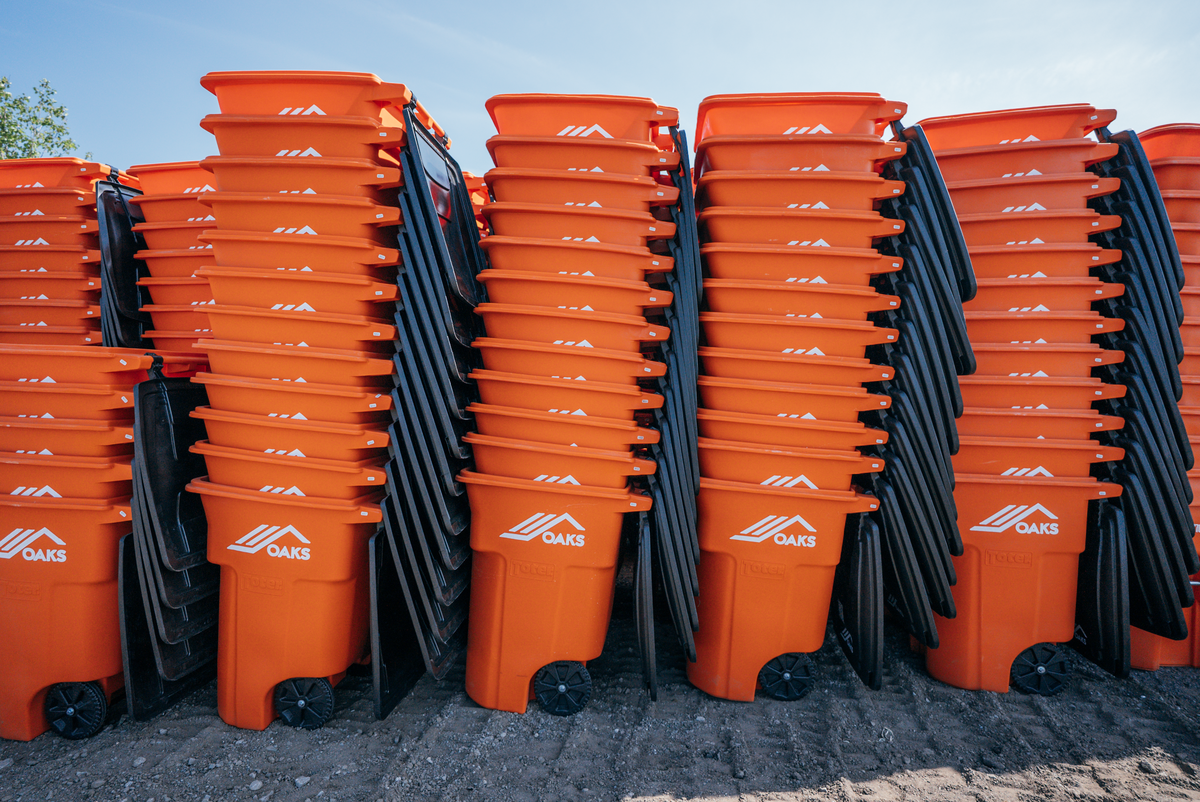
Recycling is something many households want to do right, but it's not always as simple as tossing recyclables into a bin. In fact, a significant amount of material collected for recycling ends up being thrown away because it wasn’t prepared properly. When recyclables are contaminated with food, liquids, or non-recyclable materials, they often cannot be processed and may be diverted to landfills.
For residents focused on recycling in Rochester, NY, knowing how to prepare common household items can make a big difference. Proper preparation ensures that materials like plastic bottles, cardboard boxes, and glass containers actually get recycled instead of dumped. With new local options like Oaks Disposal Service, a locally owned waste company providing Rochester recycling pickup, it's becoming easier for households to recycle responsibly. Their single-stream system makes the process simple—but preparing items properly is still an important step.
Why Does Preparing Items for Recycling Matter?
Many people assume that recycling facilities will clean and sort everything themselves. In reality, recycling systems rely heavily on residents to place clean and acceptable materials into the bin. When items arrive contaminated with food or mixed with non-recyclable materials, it can affect entire batches of recyclables.
For example, food residue left inside a container can leak onto paper products during collection, making paper recycling impossible. Wet cardboard or greasy packaging can also ruin otherwise recyclable materials. Taking a few moments to prepare items helps ensure that materials like plastic recycling, glass recycling, and aluminum can recycling can be processed correctly. Proper preparation also makes collection services more efficient. When recyclables are placed in the bin correctly, they move through sorting systems faster and have a better chance of being turned into new products.
Cleaning Containers Before Recycling
One of the most important habits for successful container recycling is rinsing out bottles, jars, and food packaging before placing them in the recycling bin. Containers used for food and beverages should always be empty and lightly rinsed. This doesn't require a deep wash with soap—simply removing leftover food or liquid is usually enough. A quick rinse prevents odors, keeps pests away, and stops contamination from spreading to other recyclables.
This step is especially important for plastic recycling and glass recycling, since these materials are often used for beverages, sauces, and packaged foods. Clean containers help recycling facilities process materials efficiently and reduce the likelihood that they will be rejected.
Preparing Cardboard and Paper
Online shopping and home deliveries have made cardboard recycling one of the most common recycling activities for households. Cardboard boxes are highly recyclable, but they should be flattened before being placed in the bin. Flattening boxes saves space and allows recycling trucks to collect more material in each pickup. It also helps sorting facilities process cardboard quickly once it arrives.
Paper products such as newspapers, office paper, and magazines are also valuable recyclable materials. However, paper recycling only works when paper remains clean and dry. Paper that has been soaked with liquids or stained with food residue may no longer be recyclable.
If cardboard or paper packaging becomes heavily contaminated with grease or food—such as pizza boxes—it’s best to remove the clean sections and recycle those portions while discarding the dirty parts.
Avoiding Common Recycling Mistakes
Another important step when preparing recyclables is avoiding items that cannot be processed by standard recycling systems. Many well-meaning recyclers accidentally place materials into bins that don’t belong there. Plastic bags, foam containers, and food waste are common examples of items that often contaminate recycling loads. These materials can get tangled in sorting equipment or make recycling streams unusable. By focusing on accepted materials like containers, paper products, and clean cardboard, households can make their recycling in Rochester, NY efforts far more effective.
How to Prepare Items for Recycling
One of the biggest challenges people face with recycling is confusion about sorting materials. That’s why many communities are moving toward simpler systems that reduce guesswork. Oaks Disposal Service is working to bring a more convenient pickup recycling service to residents in Rochester and the surrounding communities. Their single-stream recycling system allows households to place recyclable materials into one bin without sorting.
That means plastic recycling, glass recycling, paper recycling, cardboard recycling, and aluminum can recycling can all go into the same container for pickup. As a locally owned garbage company, Oaks Disposal Service focuses on dependable and affordable residential waste management. Their goal is to provide reliable service without the frustrations many homeowners experience with larger national companies. No more missed pickups. No more surprise charges. And no more calling a national hotline just to deal with your weekly trash service.
Frequently Asked Questions About Recycling Pickup in Rochester, NY
Have questions about how recycling pickup works in Rochester? Here are answers to some of the most common questions residents ask about preparing and scheduling recycling service.
Oaks Disposal Service: Get Started with Easy Waste Removal Today
Need dependable trash pickup or a dumpster rental? Oaks Disposal Service makes the process quick and stress-free with reliable service and flexible options tailored to your needs. Call or contact us today, and we’ll be happy to help.